
Comparing Bengaluru and Shivamogga Architecture Styles


Exploring Architectural Styles in Bengaluru and Shivamogga
Bengaluru, known as the Silicon Valley of India, is not only a hub for technology but also a city rich in architectural diversity. In contrast, Shivamogga, a serene town nestled in the heart of Karnataka, offers a different architectural narrative steeped in tradition and natural beauty. In this post, we will delve into the architectural styles that define these two distinct regions.
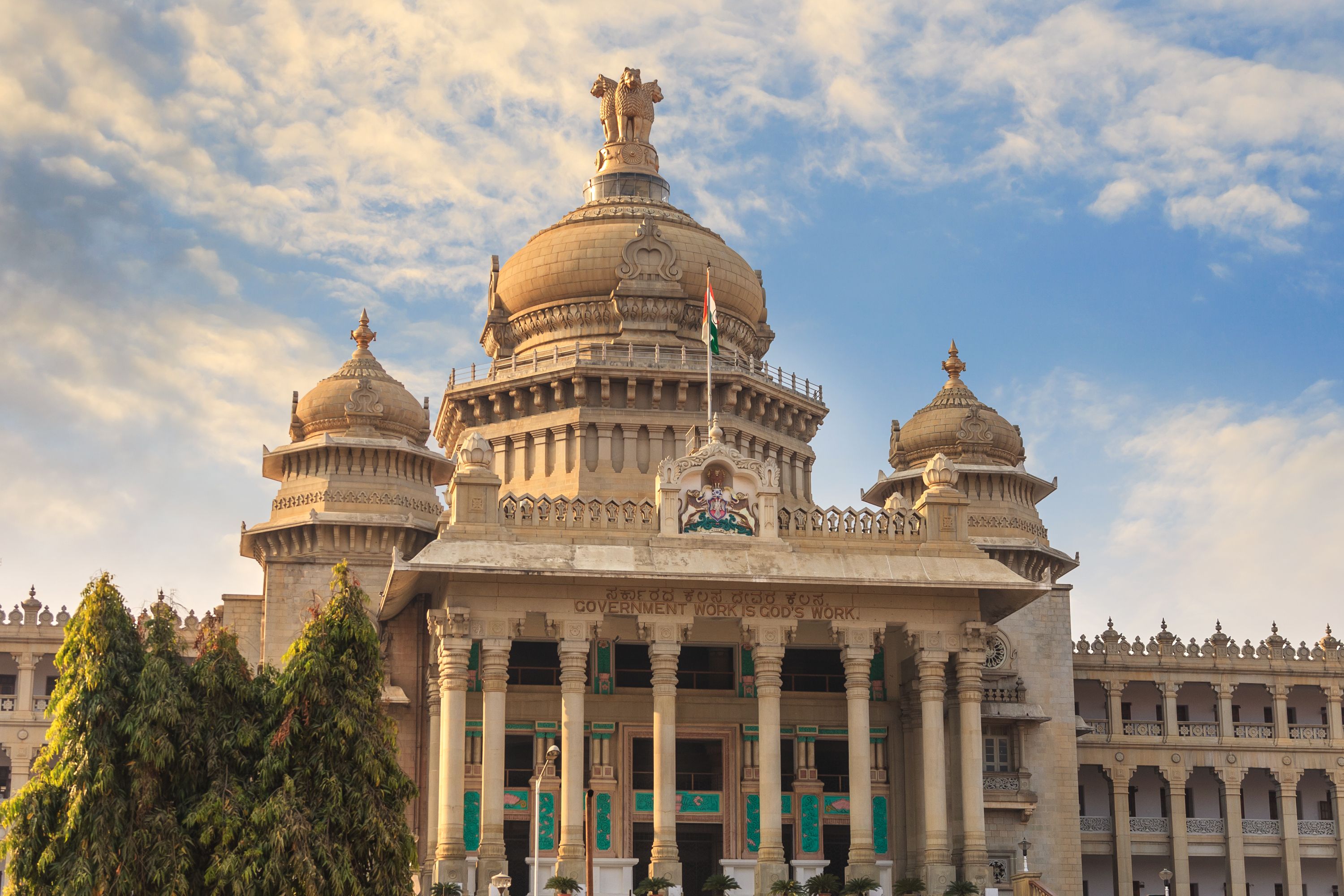
Bengaluru: A Melting Pot of Modern and Colonial Influences
Bengaluru's architecture is a fascinating blend of modernity and colonial heritage. The cityscape is dotted with towering skyscrapers, reflecting its status as a global tech hub. These modern structures often incorporate sustainable design principles, such as green roofs and energy-efficient systems, which are crucial for an urban environment.
In contrast, the colonial influence is evident in iconic buildings like the Bangalore Palace and the Vidhana Soudha. These structures boast intricate carvings and majestic facades, showcasing the grandeur of the British Raj era. Such diverse architectural elements make Bengaluru a city where the past and future coexist harmoniously.

Shivamogga: A Testament to Traditional Architecture
Shivamogga offers a different architectural experience, deeply rooted in tradition. The town is known for its ancient temples, which are prime examples of Dravidian architecture. These temples, such as the Aghoreshwara Temple, feature intricately carved pillars and detailed sculptures, narrating stories from Indian mythology.
Beyond religious structures, Shivamogga's residential architecture reflects a simpler, yet aesthetically pleasing style. The use of local materials like clay tiles and timber provides a rustic charm and ensures harmony with the natural surroundings. This focus on traditional design highlights a commitment to preserving cultural heritage.

Comparative Analysis: Urbanization vs. Preservation
The architectural landscapes of Bengaluru and Shivamogga present a study in contrasts. Bengaluru's rapid urbanization has led to the emergence of high-rise buildings and modern infrastructure. This development is driven by the city's need to accommodate a growing population and its status as an international business center.
Meanwhile, Shivamogga's architecture remains relatively untouched by modern trends. The emphasis here is on preservation and maintaining cultural identity. The town's architecture serves as a reminder of the region's rich historical legacy, offering a peaceful retreat from the hustle and bustle of city life.

The Role of Architecture in Cultural Identity
Architecture plays a crucial role in shaping the cultural identity of a place. In Bengaluru, the fusion of modern and colonial styles reflects the city's dynamic and diverse population. It stands as a symbol of progress and innovation, attracting talent from around the world.
On the other hand, Shivamogga's architectural style emphasizes tradition and continuity. It provides a sense of belonging and pride for the local community, preserving stories and customs passed down through generations. This connection to the past is a vital aspect of the town's identity.
Conclusion: The Beauty of Diversity
In conclusion, both Bengaluru and Shivamogga offer unique architectural experiences that are integral to their identities. While Bengaluru's skyline continues to evolve with its modern aspirations, Shivamogga remains a bastion of traditional architecture. Together, they showcase the rich diversity of Karnataka's architectural heritage, each telling its own story of the region's past, present, and future.